Image 1 of 3
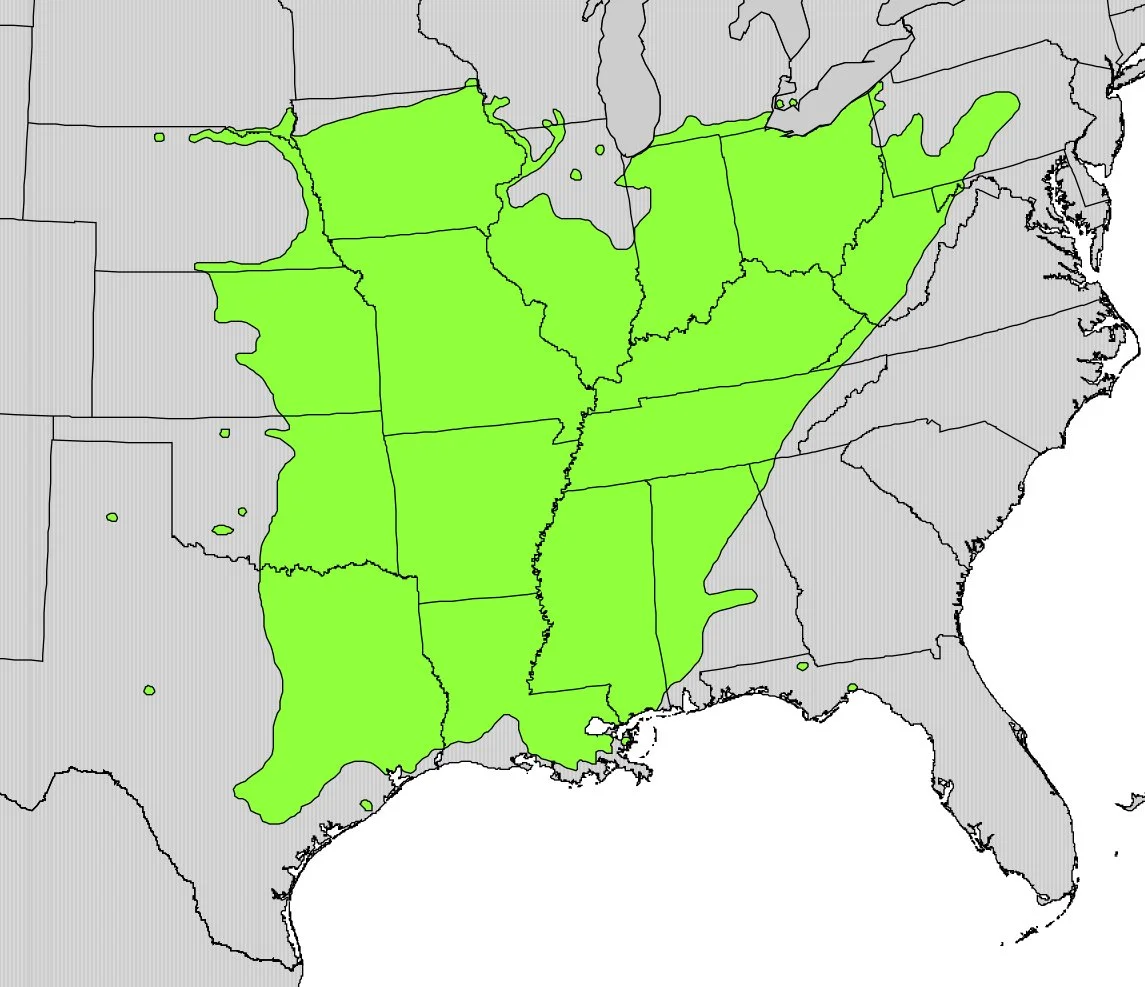 Image 2 of 3
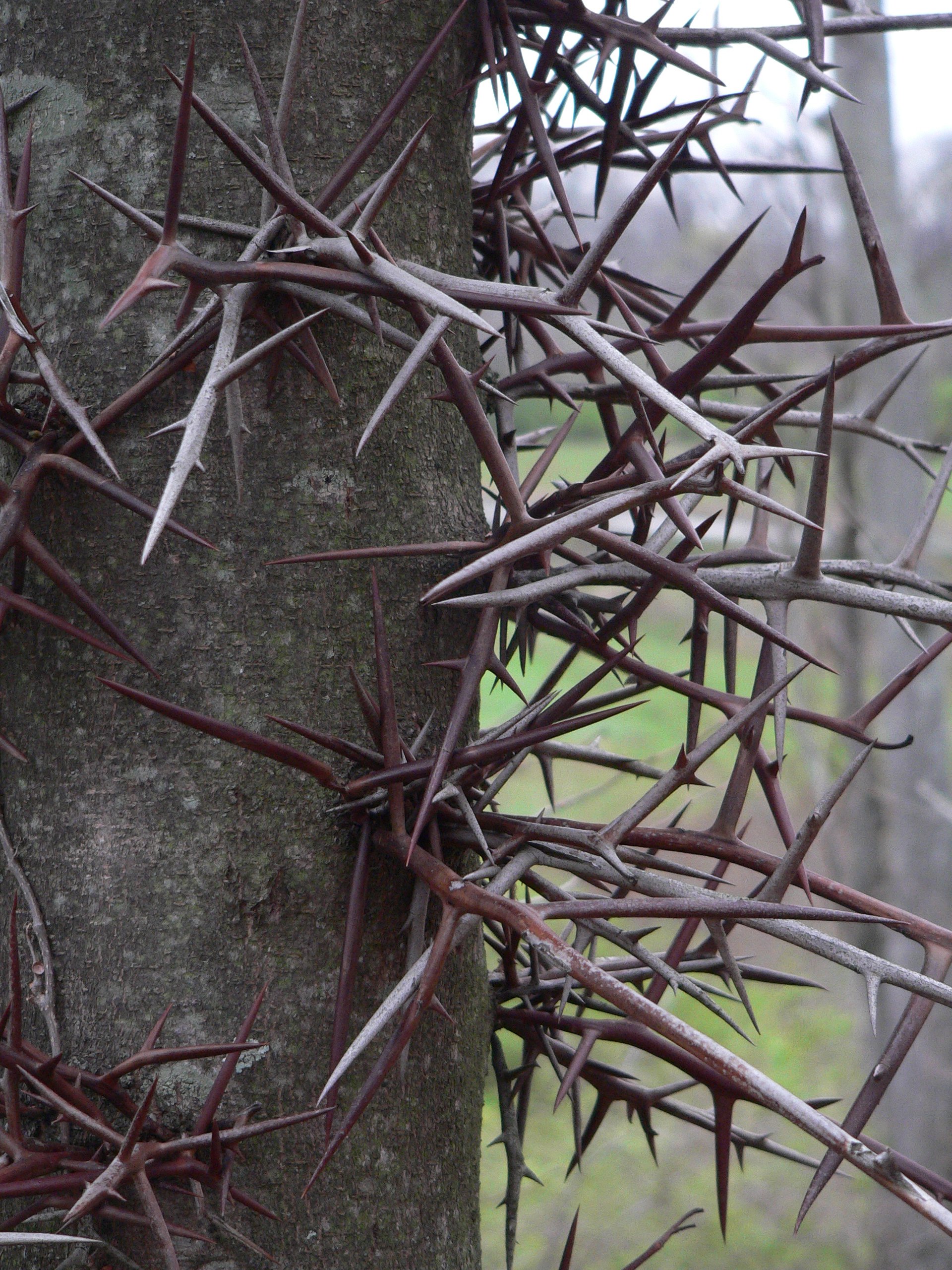 Image 3 of 3
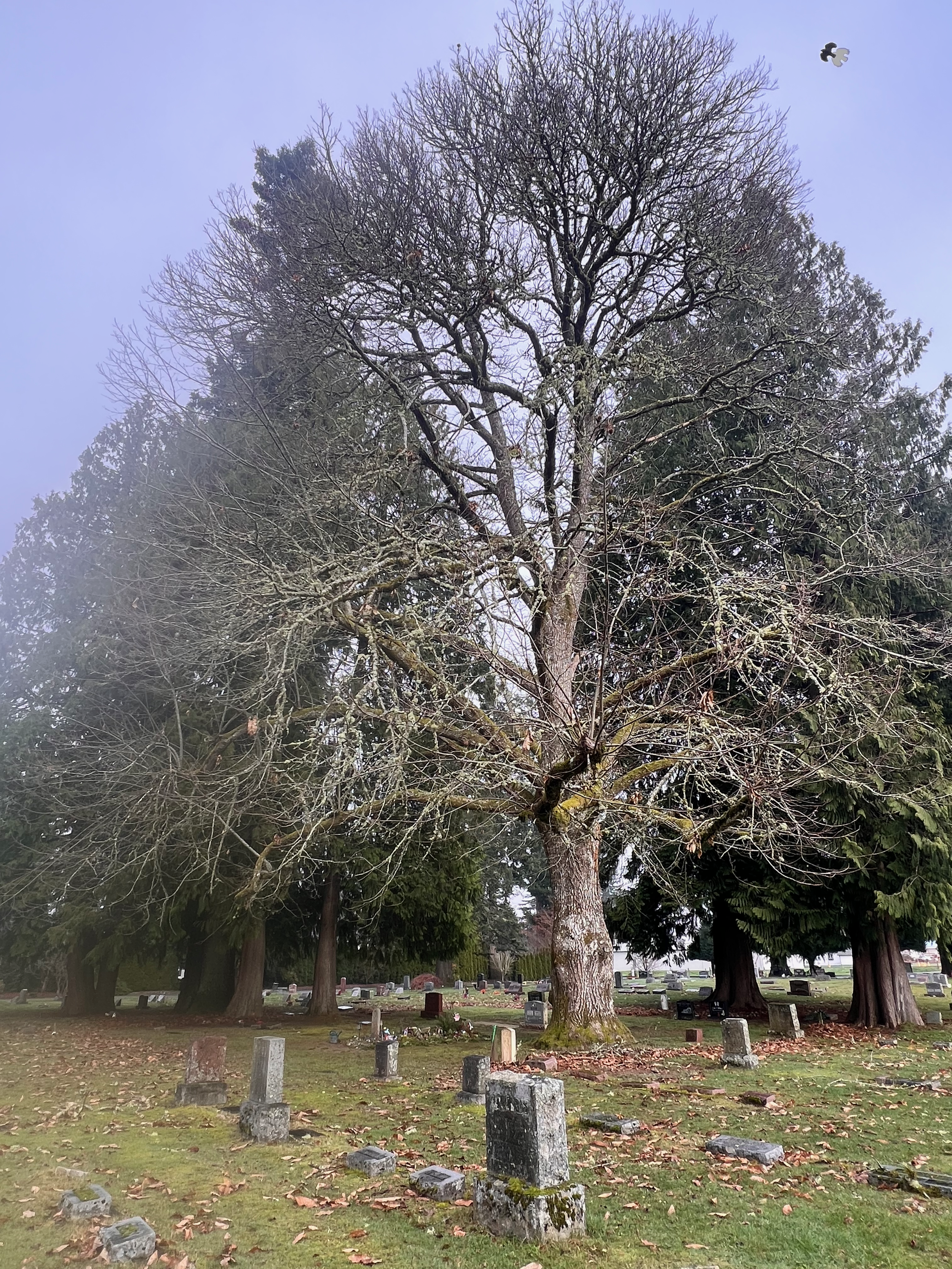
Honey Locust is a great nitrogen fixing tree native the eastern US. Trees grow to about sixty feet tall. The leaves and seed pods make excellent fodder for goats and cattle. Trees work well as a canopy layer in the large food forest or as trees in silvopasture systems. Beware of the large thorns that most honey locusts produce along the branches and trunk. The young pods of these trees are edible when cooked like green beans and it’s said the hard seeds can be used to make flour! As a “pioneer tree,” honey locusts and their cousin black locust can thrive in degraded and nutrient poor soils. Whether sandy or clay, honey locust will take root and begin repairing the nutrient needs of your soils.
Honey Locust is a great nitrogen fixing tree native the eastern US. Trees grow to about sixty feet tall. The leaves and seed pods make excellent fodder for goats and cattle. Trees work well as a canopy layer in the large food forest or as trees in silvopasture systems. Beware of the large thorns that most honey locusts produce along the branches and trunk. The young pods of these trees are edible when cooked like green beans and it’s said the hard seeds can be used to make flour! As a “pioneer tree,” honey locusts and their cousin black locust can thrive in degraded and nutrient poor soils. Whether sandy or clay, honey locust will take root and begin repairing the nutrient needs of your soils.