 Image 1 of 2
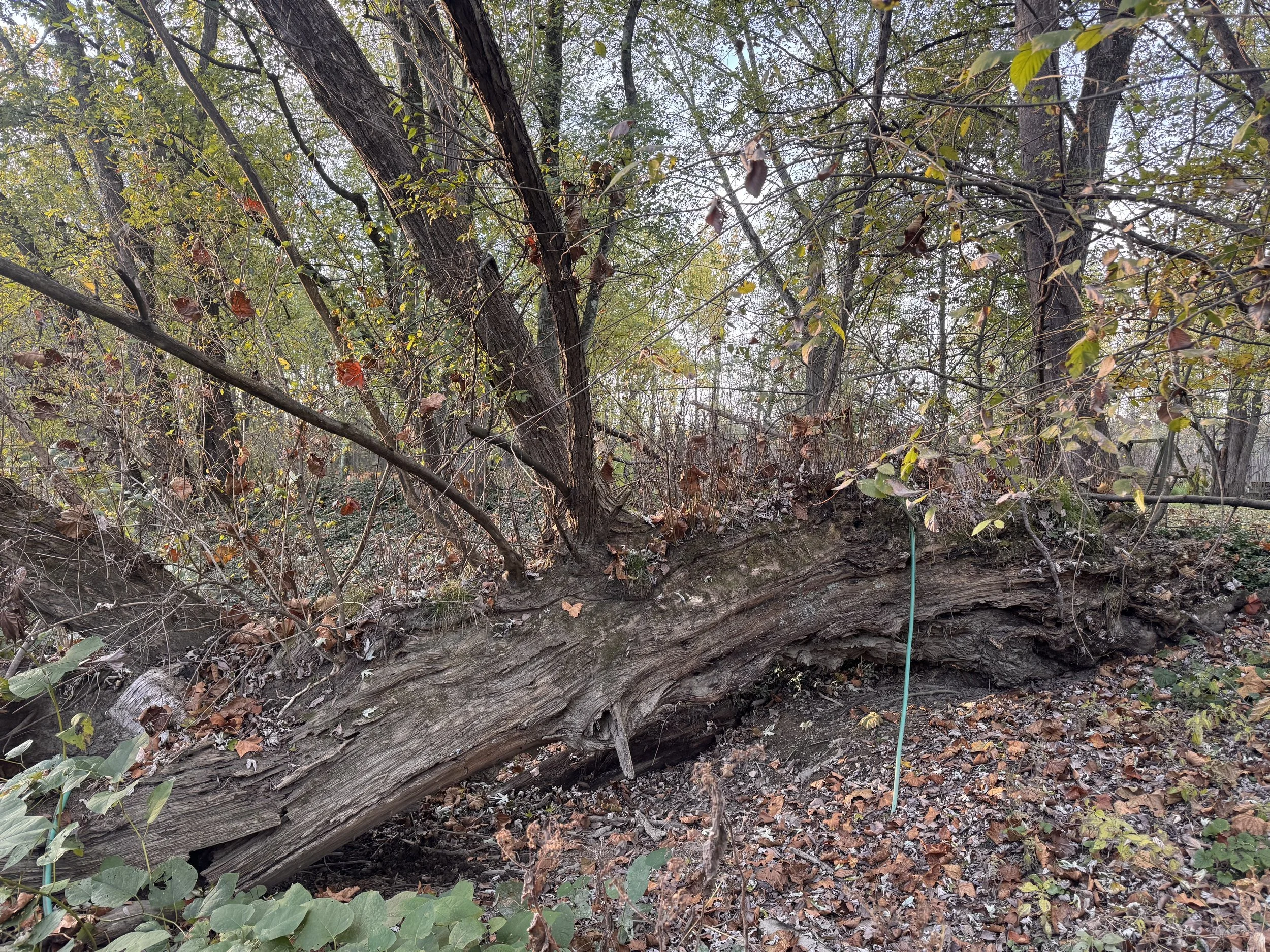 Image 2 of 2
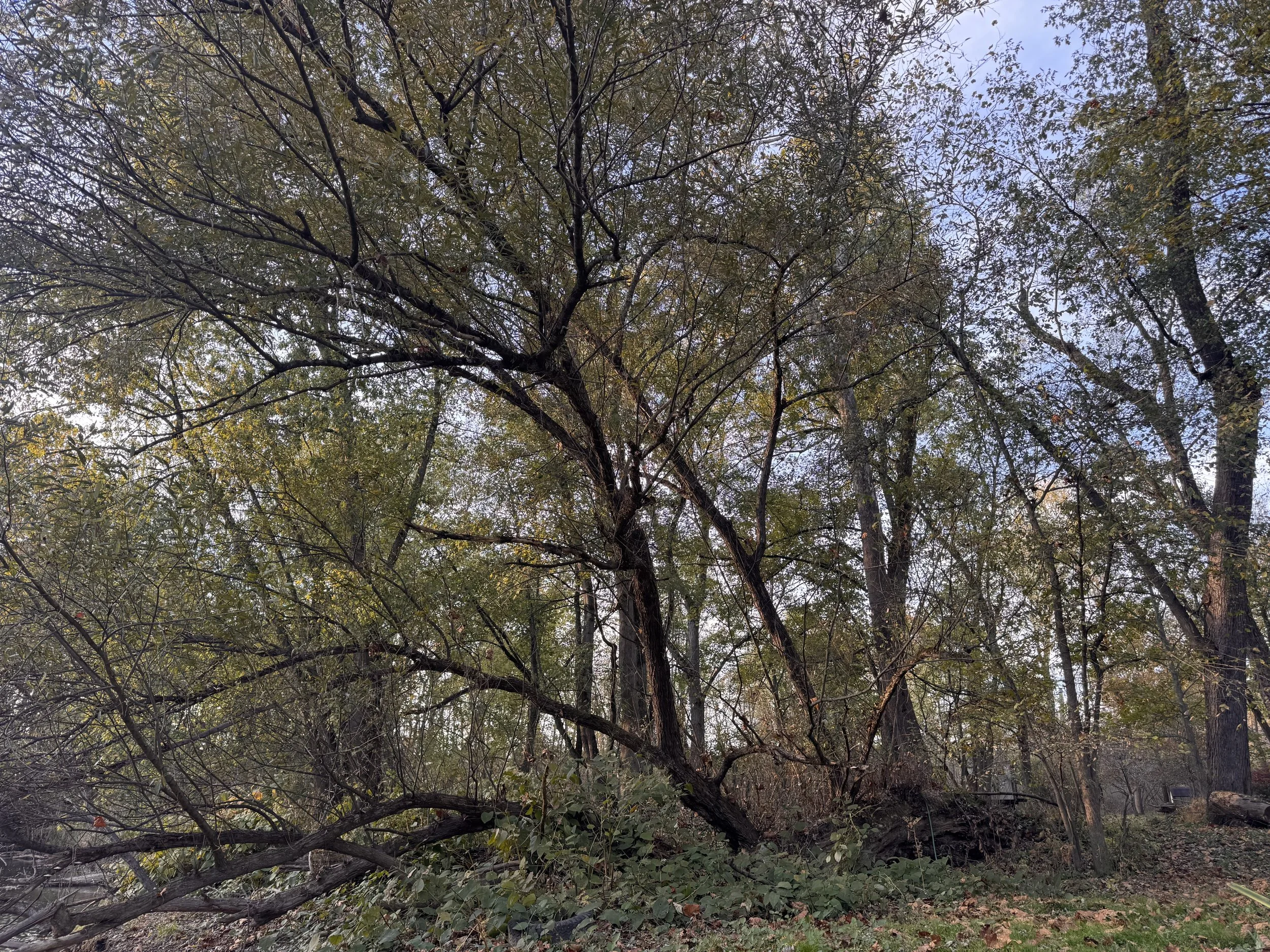
Salix nigra, the Black Willow, is the largest and most commercially valuable willow native to North America. We love that it can be used to make all sorts of things from baskets to boats! It’s one of the most ecologically important trees of riparian zones from New England to Texas. Named for the dark, rough-furrowed bark that distinguishes mature specimens, this fast-growing deciduous tree can tower over 100 feet in favorable conditions along rivers, streams, and lake shores. It is the quintessential streamside tree of the eastern United States — a pioneer species that stabilizes banks, filters runoff, and provides structure for entire aquatic and riparian ecosystems. The Creasy’s family property along Slippery Rock Creek has a very old black willow that fell decades ago. Instead of dying the tree rerooted itself and sent new trunks into the sky from the original fallen trunks.
Salix nigra, the Black Willow, is the largest and most commercially valuable willow native to North America. We love that it can be used to make all sorts of things from baskets to boats! It’s one of the most ecologically important trees of riparian zones from New England to Texas. Named for the dark, rough-furrowed bark that distinguishes mature specimens, this fast-growing deciduous tree can tower over 100 feet in favorable conditions along rivers, streams, and lake shores. It is the quintessential streamside tree of the eastern United States — a pioneer species that stabilizes banks, filters runoff, and provides structure for entire aquatic and riparian ecosystems. The Creasy’s family property along Slippery Rock Creek has a very old black willow that fell decades ago. Instead of dying the tree rerooted itself and sent new trunks into the sky from the original fallen trunks.