The Wolf Tree and a Lament for Creation
As a child, the woods behind my house was a magical place, where mysterious animals roamed and trails extended to the northern boreal forests of Canada. Little did I know the twenty or so acres of woods actually ended at the cul-de-sac at the other end of the neighborhood.
By John Creasy
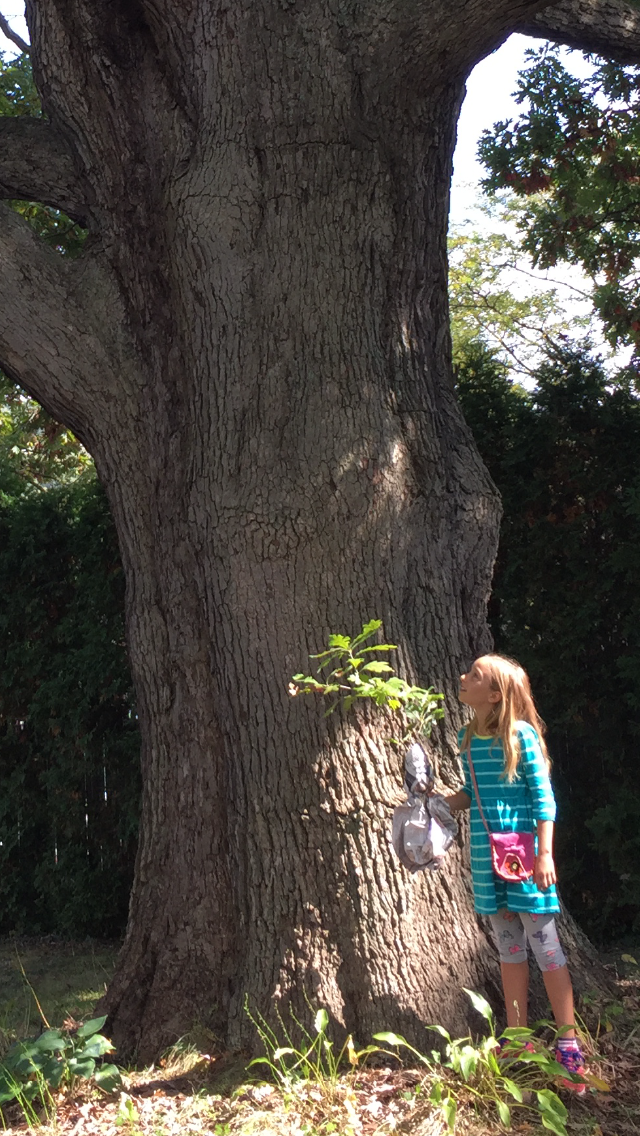
A giant White Oak and one of it’s little babies. One of my “babies” too.
As a child, the woods behind my house was a magical place, where mysterious animals roamed and trails extended to the northern boreal forests of Canada. Little did I know the twenty or so acres of woods actually ended at the cul-de-sac at the other end of the neighborhood. My imagination and my woods shaped me in significant ways in those early years. Hours spent in the little patch of wilderness helped me connect with God, with my family and with all the nature around me.
As a little kid we hiked around the woods as a family, our German Shepherd running laps around us as we splashed through the mud. Later I bought a mountain bike and would ride the trails, the woods seemed a lot smaller then, but they were still significant for the suburbs of Pittsburgh. I learned that the woods, the old barn in the middle and the big old house were all part of Bush Nurseries, a local nursery business that had closed down in the early 1980’s. Now, the land was being sold to a developer.
Early in life I connected in some meaningful but unexplainable way with oak trees. I just liked them, I like the way their sprawling lower branches could reach far away from the trunk, twisting and turning toward the light. I liked their huge trunks and appearance of great age. There was one oak in on the edge of the main tree nursery that had grown for decades into what is known as a “wolf tree,” a tree that grows horizontally large to wolf up all the sunlight. I would sit under those sprawling branches, against the rough bark of that big tree. It felt like home. In reflection back, it was a first sit spot for me, a spot to just be and relate to the birds, deer, plants and other animals of that spot. That big old wolf tree was special to me… and I knew it was going to be cut down.

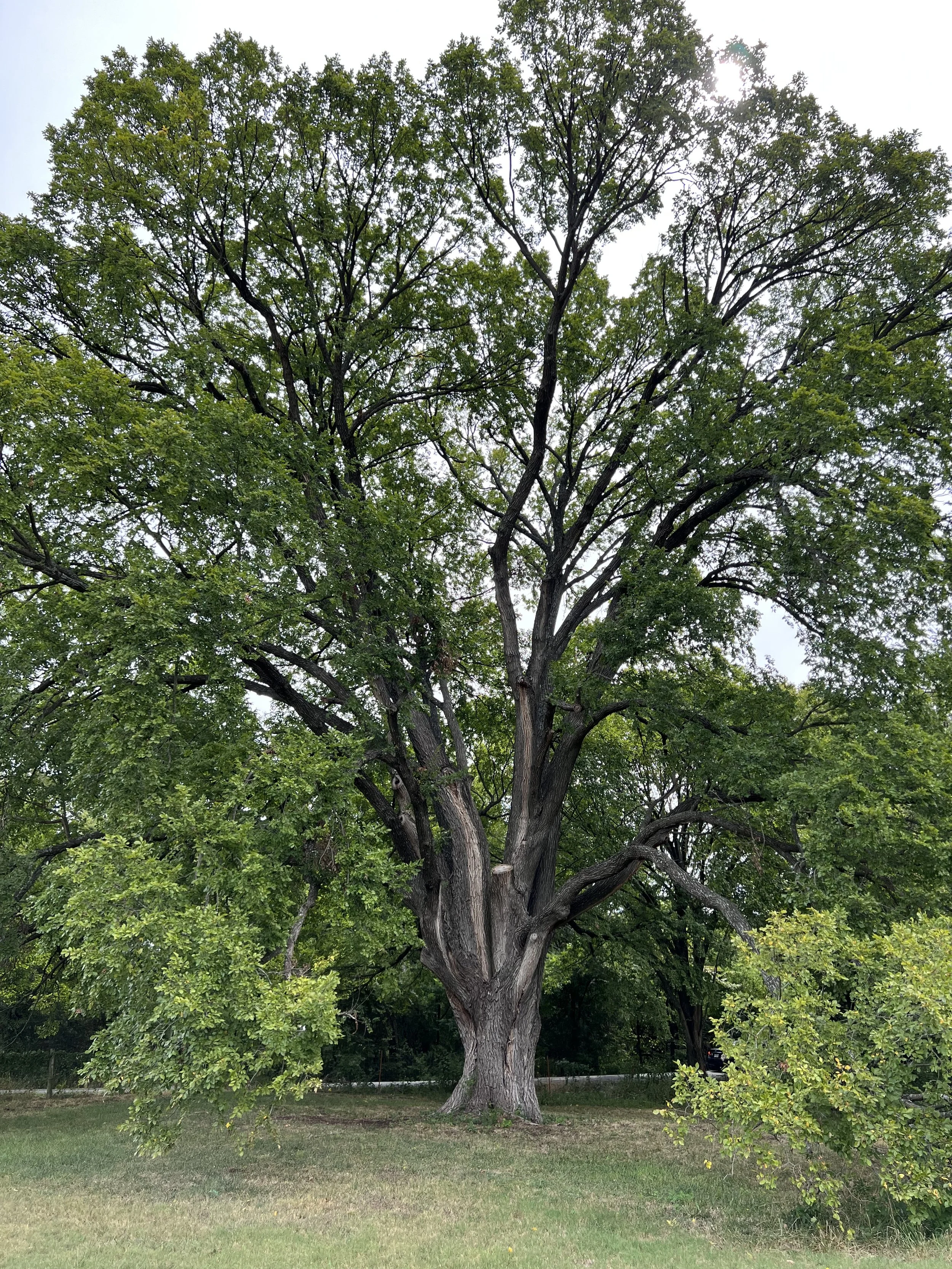
The largest Elm tree in Texas and a great example of a “Wolf Tree” at the edge of a farm’s forested edge.
I’ve told this story before, because I think it’s funny, because the events could have gotten me into a lot of trouble, because people listen and laugh when I tell it. But this story sticks in my mind because it was the first time I felt significant lament and grief for creation.
As the developers began staking out the the roadways and properties throughout the woods I became adamant that I would climb the old wolf tree so they couldn’t cut it down. This was before Luna climbed her giant Redwood tree in California. I’d never heard of an eco-activist. But I felt a need to save my big tree. As the months went on more and more wooden stakes with pink flags on top were popping up all over the woods demarcating the spots where boundaries would be. My woods were no longer mine, it felt like a violation. My woods were going to all be cut down, not just the big old wolf tree.
One day, I grabbed hold of one of those wooden stakes. I pulled hard on it and it came up out of the ground. I stood there holding that flimsy wooden stake. I wondered where the tree came from that made that stake now marking where more trees would be cut down. Another stake was just a few feet away. I pulled that one up too. Then another and another. There were so many and they were so easy to pull up! I started moving them, putting them in different locations. Some of them I took home and hid in my family’s garage. Some of the bigger stakes were made of 2x4’s, I figured they marked property corners. I moved those ones too.
Fast-forward a few years and I had a good friend living in a brand new big house in the middle of what was once my woods. Two things surprised me when I talked to Pete about the loss of that landscape. He too felt grief and lamented the continued removal of the forest. Pete saw the remaining woods and saw the trucks hauling out logs. He connected with the land and trees very quickly and even shed tears when his big tree was cut down, a huge Eastern White Pine. I was also surprised when he told me that his neighbors were in a dispute about their property lines. The maps didn’t match up. One day I showed Pete the old stakes in my garage. He quickly realized what I’d done. We both felt kinda good about it.
I recently learned a new word: Kithship. “Where kin are relations of kind, kith is relationship based on knowledge of place—the close landscape, “one’s square mile,” as Griffiths writes, where each tree and neighbor and robin and fox and stone is known, not by map or guide but by heart. Kith is intimacy with a place, its landmarks, its fragrance, the habits of its wildlings.” so says Lyanda Lynn Haupt, in Rooted: Life at the Crossroads of Science, Nature, and Spirit.
My response to grief probably wasn’t the right response. But, as a child with deep connections to a piece of land, a true kithship to the plants, trees and animals of a landscape, what else should we expect. My land was threatened and I felt a need to do something about it, I had very little I could do.
Today, any child with any care or connection to nature is continually in a state of lament. How can we, as adult, turn away from the losses we are collectively experiencing? How can we not do all that we can do to love the earth, care for creation, reject destructive cultural norms, etc? Loss, lament and grief can lead to sustained commitments when experienced in a supportive community. Today, through Wild Indigo Guilds, we’re working to create those kinds of communities. Communities that lament together and develop meaningful action for the earth, for God’s people and for our children and their children.
For info on joining a Wild Indigo Guild visit https://www.wild-indigo-guild.com/wild-indigo-guilds

Know and Love the Land and those who Inhabit it with us
I used to walk daily along the shore of Presque Isle Bay. As the seasons changed, I walked, ran, fished, cut willows to weave, tried planting trees. I saw underwater clouds of gizzard shad, as well as bowfin, steelhead, mink, beavers, various herons, warblers and all manner of waterfowl. I found old steel rails and bits of industrial detritus. I talked to folks on piers, like Dobbin’s Landing.
by Evan G. Clendenin
A gracious moment of wonder opens new, appreciative awareness of the interconnected life of which you are part. It leads you on a path of knowing and loving the land and those who inhabit it with us.
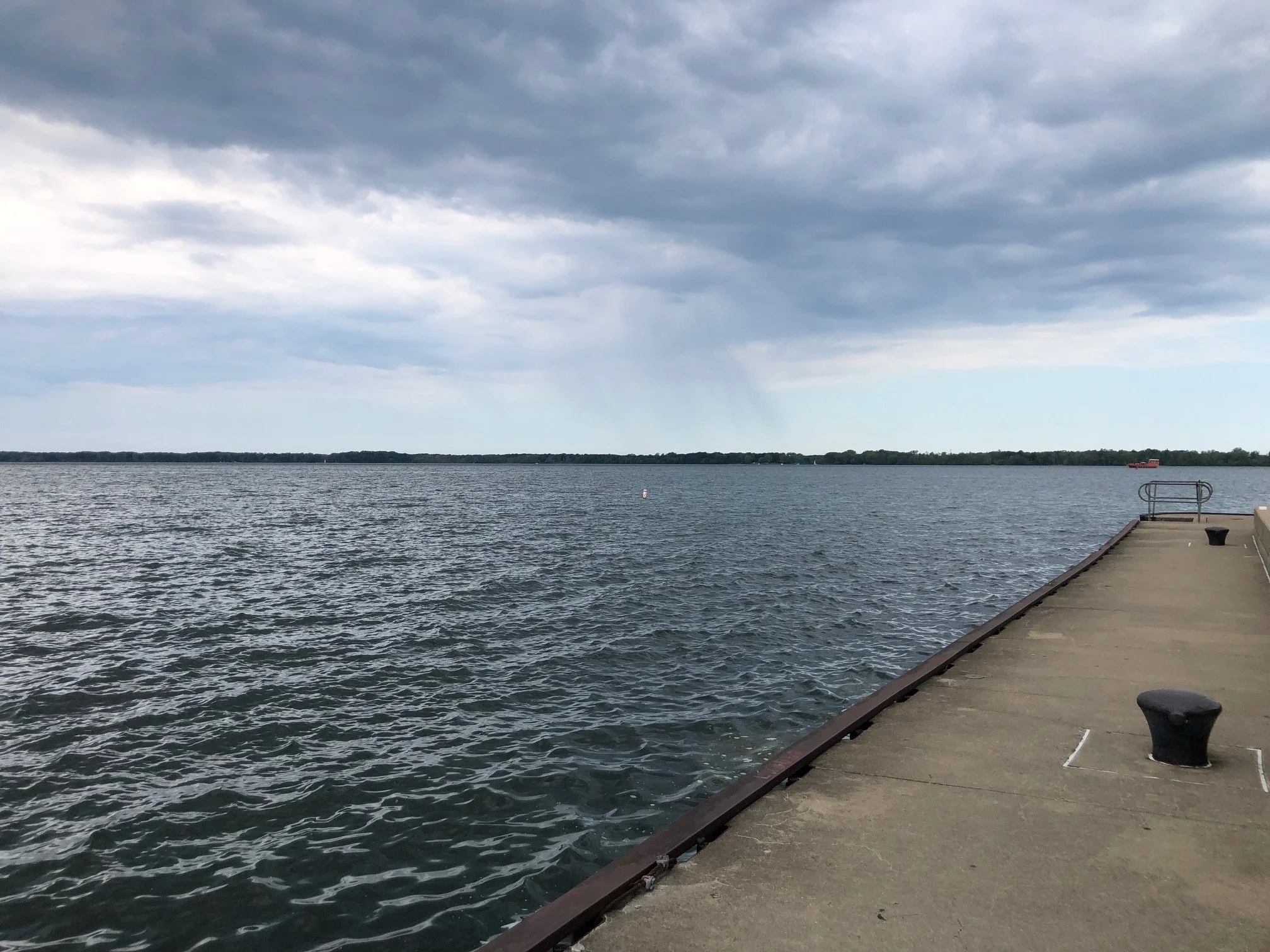
I used to walk daily along the shore of Presque Isle Bay. As the seasons changed, I walked, ran, fished, cut willows to weave, tried planting trees. I saw underwater clouds of gizzard shad, as well as bowfin, steelhead, mink, beavers, various herons, warblers and all manner of waterfowl. I found old steel rails and bits of industrial detritus. I talked to folks on piers, like Dobbin’s Landing.
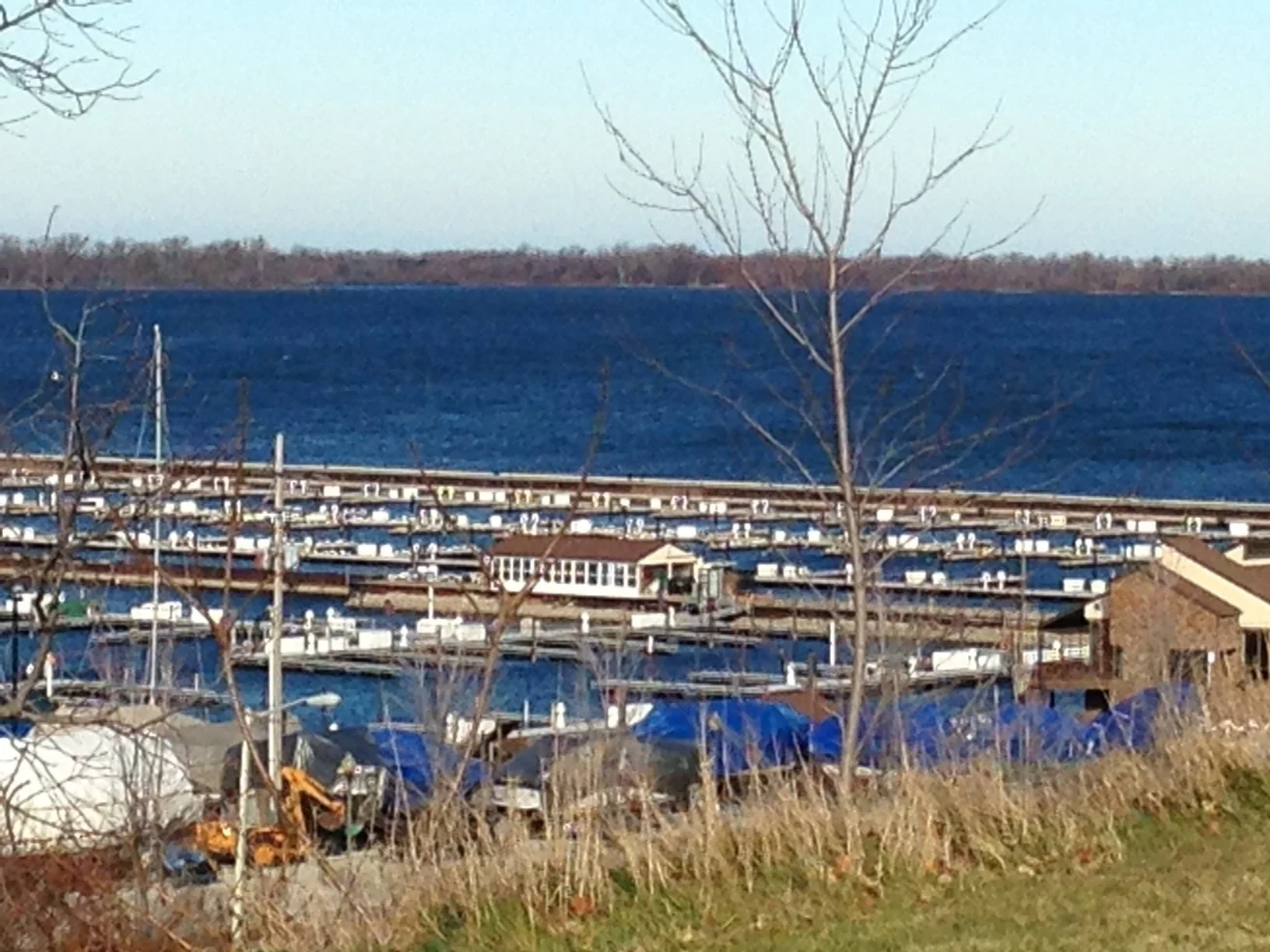
I got to know a fisherman, whom I also knew from loitering at the cathedral food pantry. Over many weeks of longer conversations over foam cups of coffee, he shared that he had once been a timber-cutter, but a heart condition left him unable to work. Now he fished, something to do. I would see him many days at Dobbin’s landing or along the way, carrying bucket and fishing pole. He often had a trustworthy report about how the yellow perch were biting. He gave the fish away to friends who enjoyed eating them.
The theologian Michael Green wrote about the spiritual attitude and practice of discernment as one characterized by growth and maturation in knowledge born of love. We grow in the capacity to love in deed as we come to grasp more truly the everyday ways, needs, tendencies, the true being of those we know as spouses, friends, children, neighbors, co-workers in our lives. Green sees this personal quality of loving knowledge in our human relationships as mutually reflective of our relationship with God.
This personal quality of knowing and loving also shapes how we relate to the land and those creatures who live there. Our attention and efforts become a path of prayer that betters and beautifies creation. Separated from such an integrating path of loving knowledge, data about ecological and social harm just piles up, overwhelming our faculties to inwardly digest it. Life-hacks and more data won’t save us. An imbalanced education into the ‘awareness of living in a world of wounds’ overwhelms many of us today with a sense of grief. We might balance this out with a present-minded sense of delight, and gratitude for others, ourselves, the many creatures of earth, and living on earth. And most of us are just trying to get by, put food on the table, and still yearning for a vine and fig tree or a little patch of green to enjoy.
One day I was walking by a grassed hillside above the lakeshore, slated to be turned into a giant billboard. I stopped to talk to some women who turned out to be gathering wild garlic. They shared that they had come to Erie more recently from another part of the world. As I bid them goodbye, they handed me a bag of garlic. I’ve noticed people who see a green patch or fruiting trees in the midst of urban/suburban america, and see something they know and love. And they try to make good use of it.
You might simply inquire about the land you know and love. And you might respectfully inquire about those who share it with you. In what ways do they know it and love it? The quality of knowledge born of love, and the love that emerges with truer knowledge of the land and those who inhabit it, confers a quality of humility, that is, a grounded knowing open to see how another might see. They enrich what you see and know, and this encounter will enrich your heart’s capacity for loving effort. You may become part of a new conversation, or discover yourself part of a much longer and broader one, about what it means to live well in a place, and to tend it in righteousness and peace. This knowledge will change you, and your efforts.
Gratitude and the Web of Interconnection
Gratitude and the interconnection of everything.
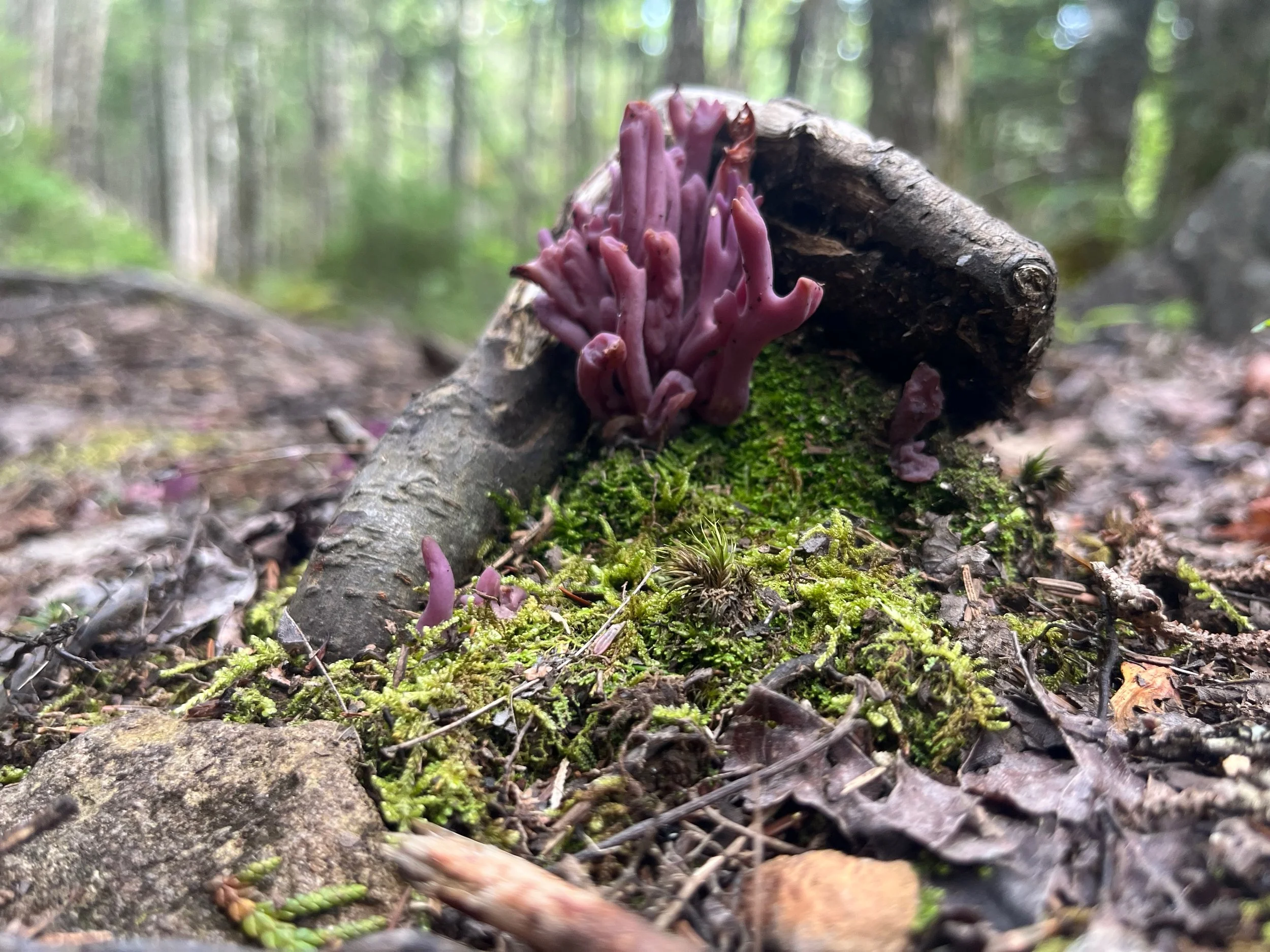
Caption: Violet coral, a species of Clavarioid fungi, pokes through some moss from underneath a tree root in north central Pennsylvania.
By John Creasy
The second theme of our Wild Indigo Guild’s program is “gratitude and interconnection.” During 2024 we will be teaching in local churches through eight “Themes for Exploration and Discovery” to help these congregations connect with God and each other through the natural world. We’ll work through a process that will help churches see action for ecology, climate and local issues of justice as issues of immense importance and calling from God. That second theme is one that I’ll reflect on here.

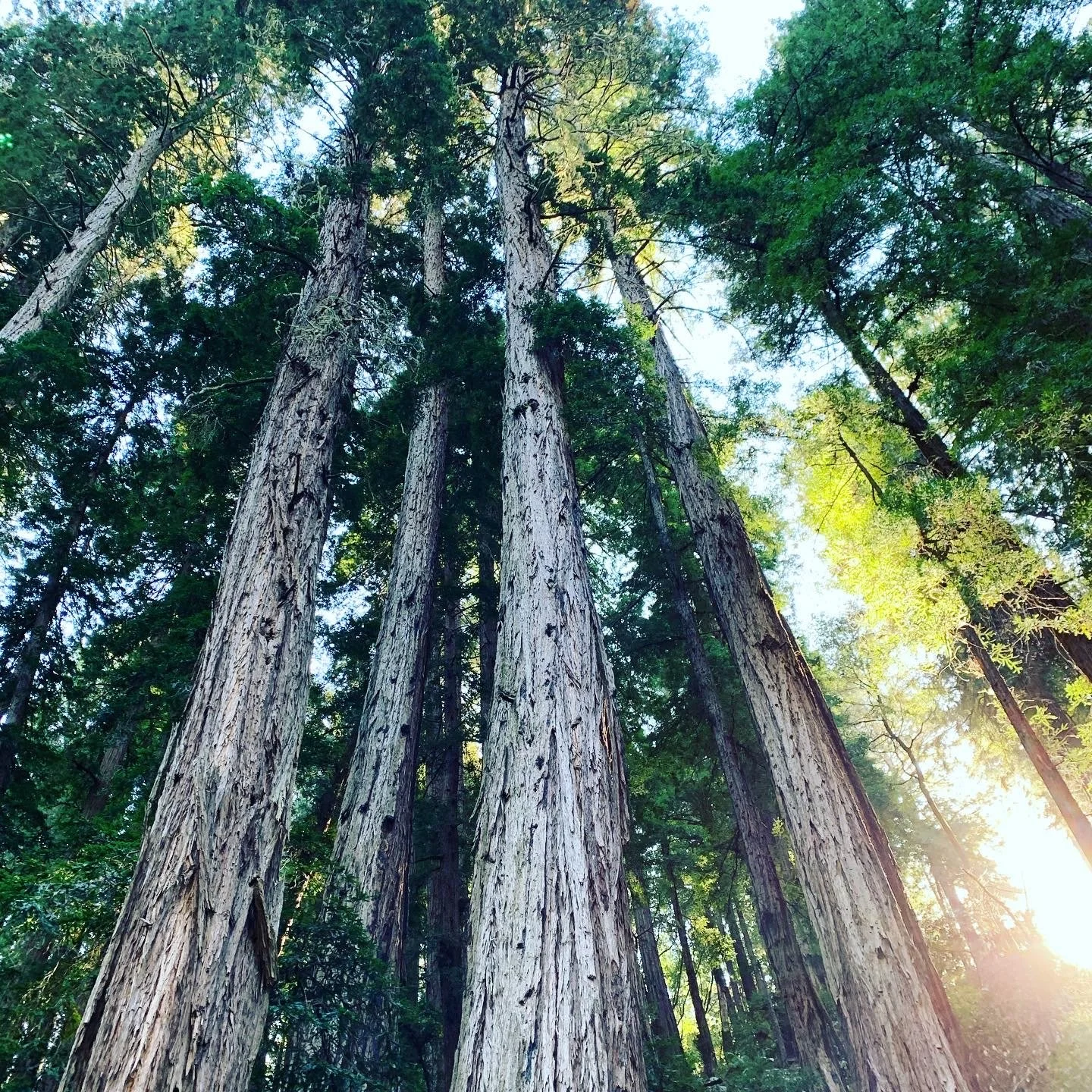
Caption: One of my favorite places to experience mystery and interconnection is in the redwood forests of coastal California. Muir Woods just outside San Fransisco is one of the most accessible places to see huge old-growth redwoods in an intact coastal redwood ecosystem.
Science, theology, spirituality, the Bible and just about every world religion teach that there are strands of interconnection beyond our understanding. What do I mean by this idea of interconnection? The bible calls God “all in all” and the “I Am” leading us to ponder God as the one who is in all, with all, and the source from which every atom of the universe has found its being. For some philosophers God is the interconnection that unites all that is. In science our understanding of interconnectedness continues to deepen and become more and more complex. Biologists once studied individual species but today see that no living creatures exist outside of an ecosystem, a complicated web of interconnection. Some ecosystems are microscopic, like the ecosystem of living creatures in a teaspoon of soil or on the surface of your skin!
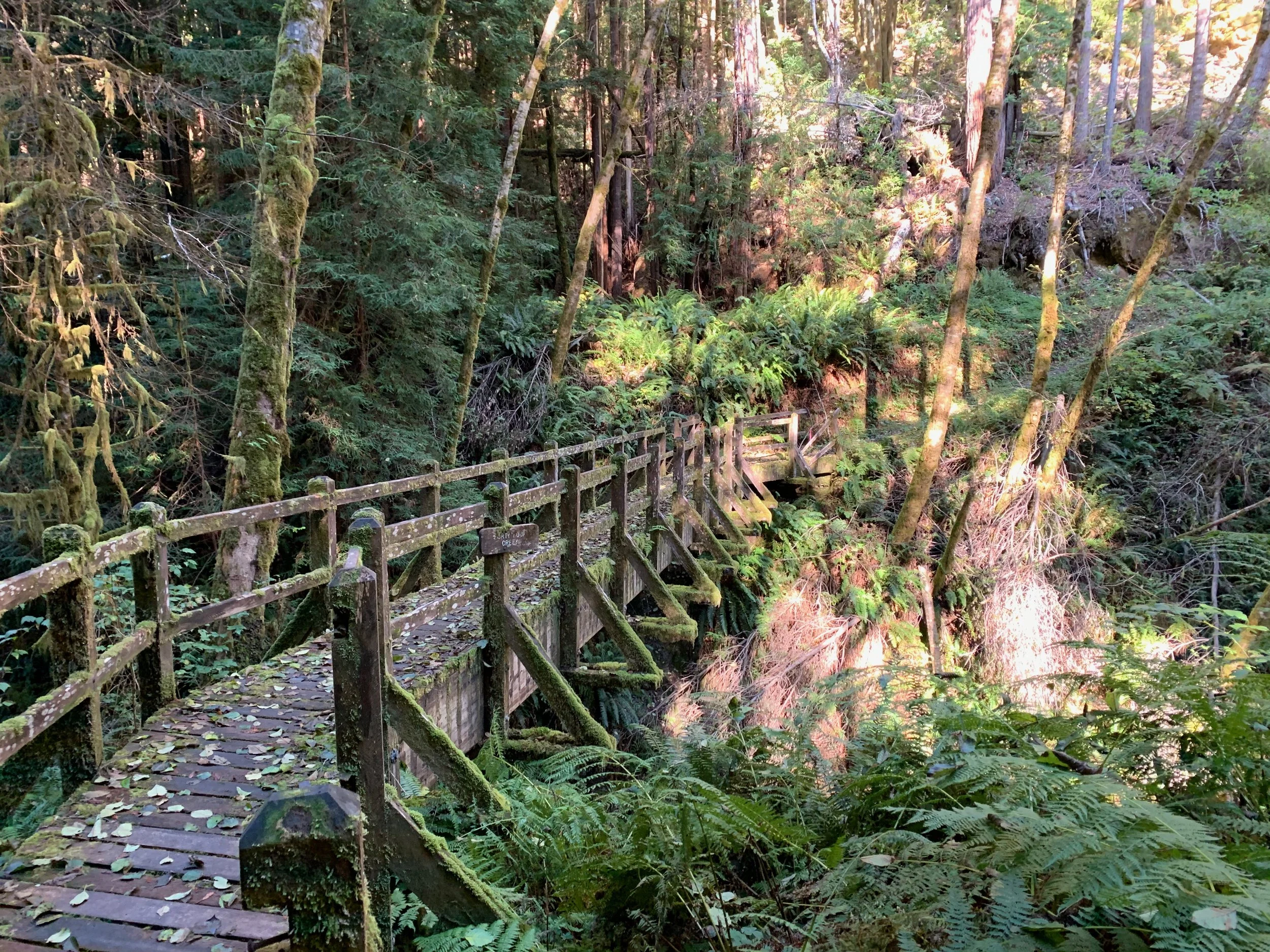
In recent years forestry experts have begun to understand what indigenous peoples have known for millennia, all the forest is interconnected and one element cannot be removed without losing many strands of mutual support between species. For instance, Suzanne Simard, a professor in British Columbia, has worked for decades to demonstrate how trees are connected to fungi in the soil which allows them to pass messages and resources to neighboring trees. Her work is some of the first to scientifically document that one tree will share carbon, through fungal mycelium, when another tree is lacking! Peter Wohlleben has demonstrated the same interconnectedness in the forests of Germany. His work tells of ancient tree stumps being supported and kept alive by the underground fungal network and subsequent connection to healthy trees of the forest. Carbon and nutrients are passed from photosynthesizing trees to the ancient stumps, keeping their roots and living tissue alive for years after the tree was cut down,

Caption: John in the redwoods of coastal California
The web of interconnection in ecosystems is complex beyond our understanding. There are millions of types of fungi, all of them with different relationships of mutuality with different plants and animals, supporting life. As people of faith we believe in a God who’s image is reflected in the goodness and complexity of creation. We humbly recognize that all things are connected and humbly admit that we cannot understand the complex webs of interconnection that make life on earth so rich and abundant. This recognition almost always leads me to a sense of awe, wonder and gratitude. As I look out my window on this cold December morning I see my garden here in the city of Pittsburgh. I see the dried up plants that fed us and continue to feed even in the winter thanks to our canning efforts this summer. The soil, worm bin, compost piles, ground cover plants and so much more across our small yard remind me that these elements are connected and creating a healthy and productive ecosystem. Even my yard is more complex than I can understand, and I designed it! This leads me to gratitude for the gifts of our garden this past year. The simiplicity of our urban permaculture garden is a starting place for me to sense and experience the truth of interconnection, that all of Creation is “very good” and created to be in right relationship with all of its individual members. And we can’t leave out the interconnection of our city, the people and networks, some healthy and some broken, all in need of restoration.
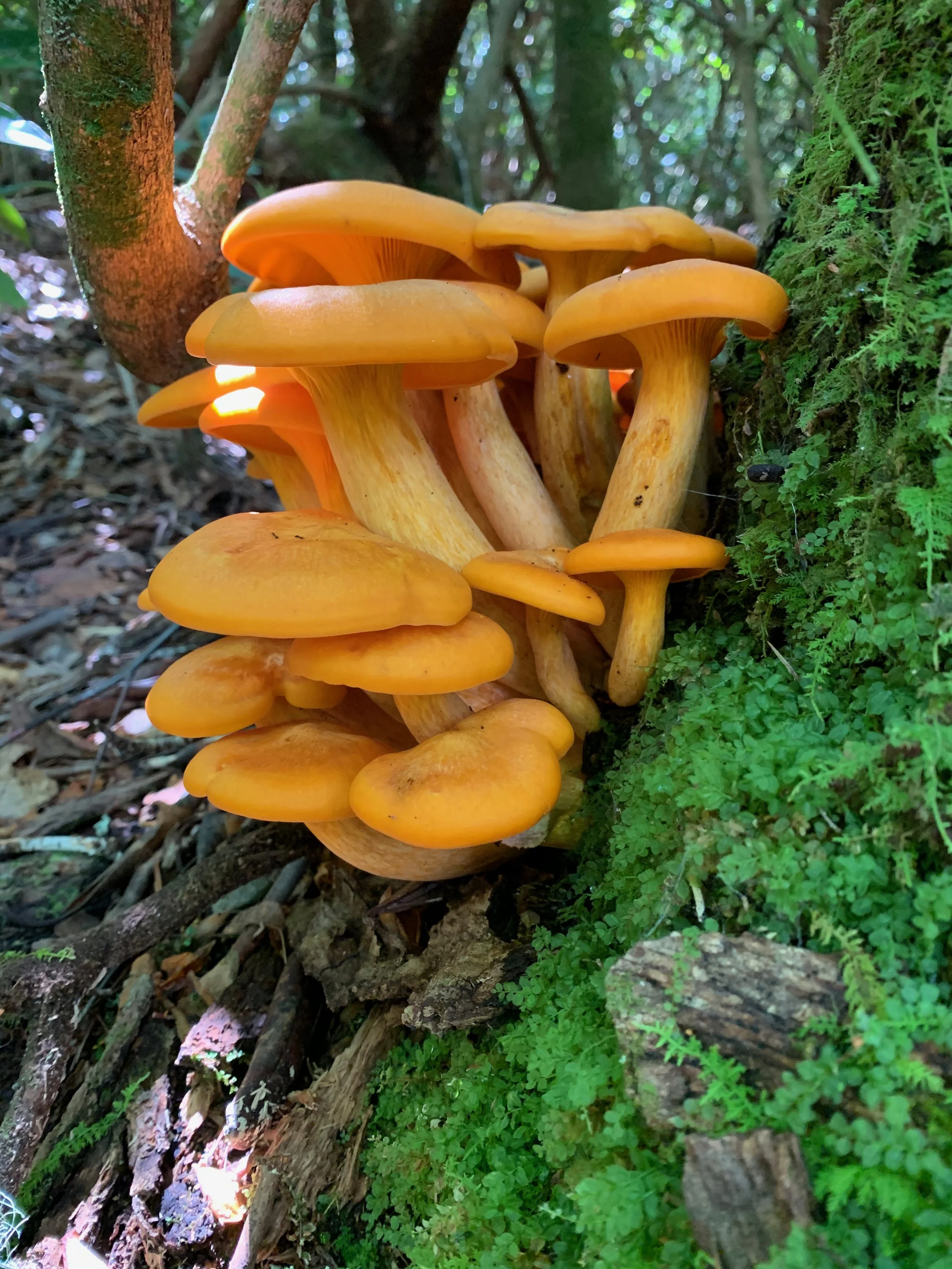
What might you do this week to reflect on the beautiful interconnectedness of all that is? How might you use some time in nature to conjure up a sense of gratitude for God’s provisions for us through the complex beauty of the natural world?