A Reflection on MODULE 7: PARTICIPATE IN GOD’S RESTORATIVE COMMUNITIES
By John A Creasy
Module 7 of the Wild Indigo Guild program is one of my favorites to teach. “Participate in God’s Restorative Communities” is our theme. Our idea here is that restoration of creation and of humanity will happen in community and often from the edges, outside of where most people would expect to find power and leadership.
If I’ve learned anything over the past sixteen years with Garfield Community Farm its the importance of community and partnerships. Almost everything we do at the farm these days is in partnership with some other organization, community leader or person in the neighborhood. Our children’s education is in partnership with Brothers and Sisters Emerging, our food distribution is in partnership with Valley View Presbyterian Church, our permaculture teaching is in partnership with Three Sisters Permaculture, etc, etc. It’s not because we can’t do things on our own, but it is because we can do all these things better in community. Our partnerships make us stronger and make our community stronger too.
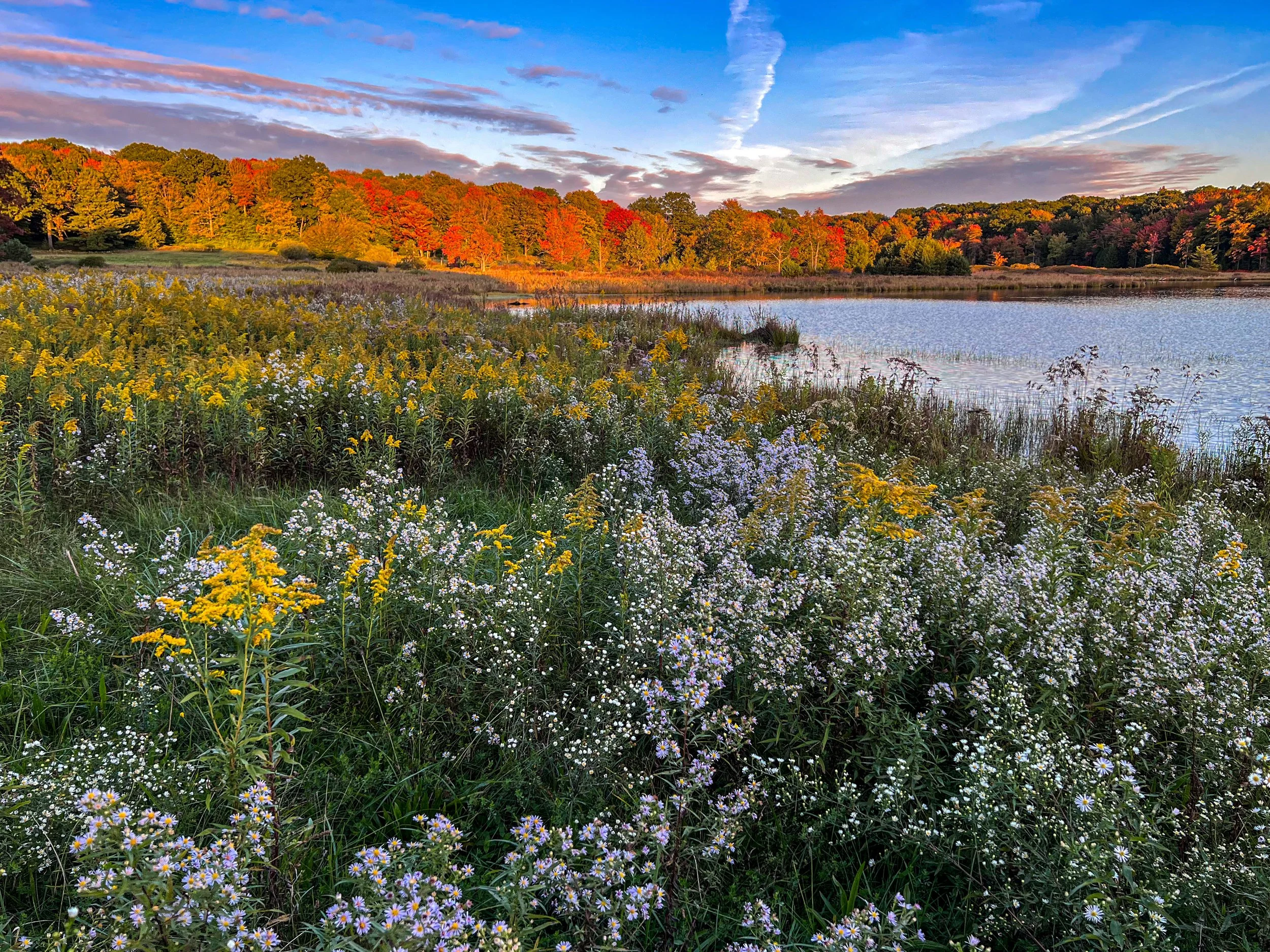
A beautiful example of forest, meadow and wetland edges.
In ecology we learn that “edge ecologies” are more dynamic and diverse than pure ecologies. We find nature existing with more diverse and dynamic partnerships in these edge spaces. For instance, the edge of a forest and a prairie will have species of both ecosystems interacting. And the edge will have some of it’s own species, plants and animals that only live where the two ecosystems merge. In session seven of our program we explore the permaculture principles: Expand the Edge and Value the Marginal. The conversation almost always goes from ecological systems of health and diversity at the edges to the human realities of marginalized people groups and ideologies being valued and lifted up.
I love edge ecologies, that’s where we find blackberries and raspberries, hazelnuts and wildflowers. That’s where the monarch butterflies find milkweed to eat and lay their eggs on. I also love hiking up mountains to the edge of the tree line, where trees grow small but survive for centuries feeding Clarks nutcrackers boreal chickadees.
It’s not a big leap to go from learning about the diversity and abundant potential of edge ecologies in our gardens and farms to the ethical imperative of diversity and value of the marginalized in our faith traditions. Throughout the prophetic books of the Bible the voice of God is proclaimed from the margins of the Israelite culture. It is not from the center that change ever comes, but from the prophetic margins, where courageous men and women proclaim new messages of hope and truth. The prophets spoke out against idolatry and injustice against the poor over and over again, calling for change and repentance.
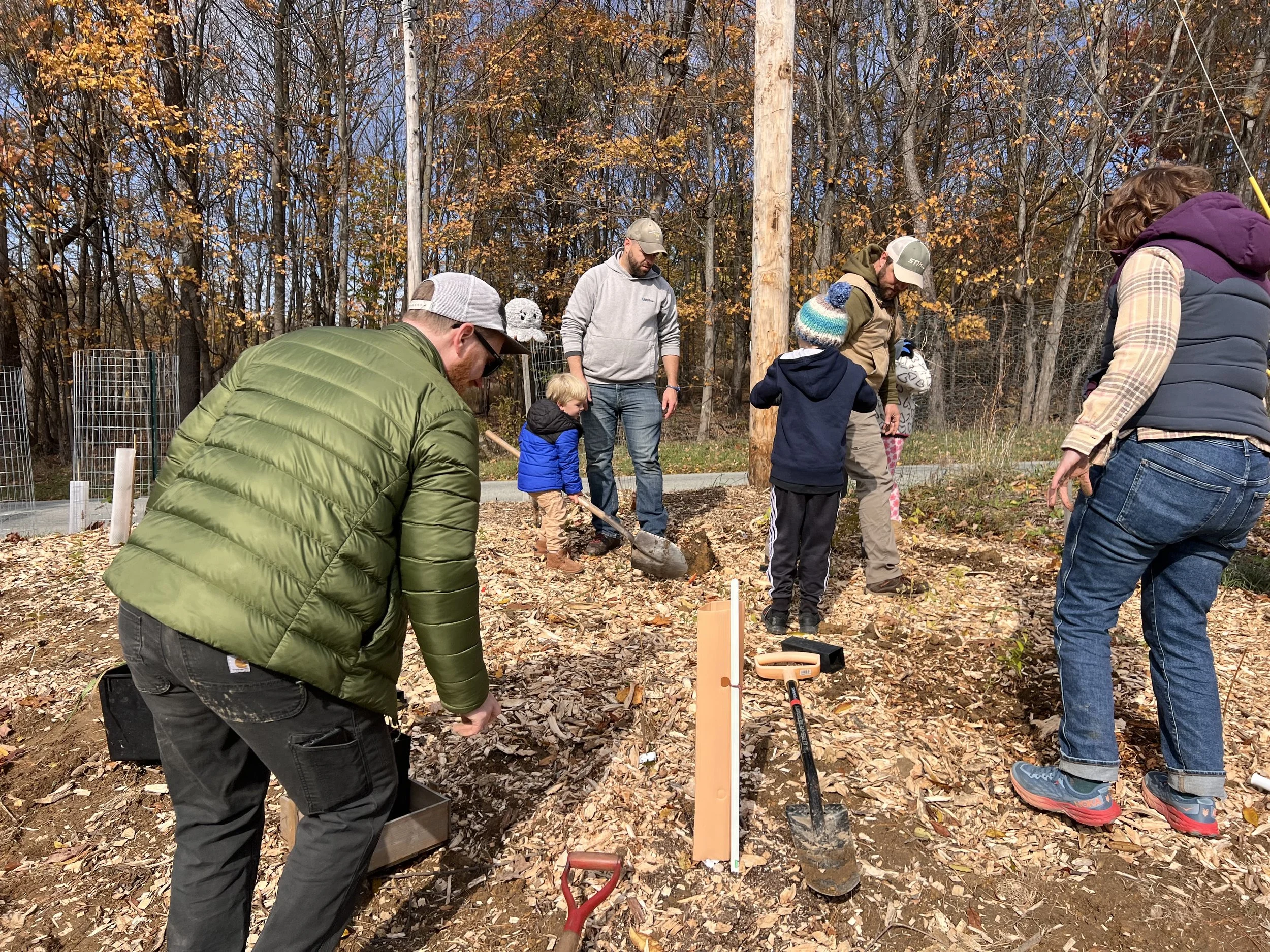
WIG volunteers planting a hedgerow, a perfect example of an edge ecology between the road and a farm field, or often between two fields.
Through Wild Indigo Guild we are hoping to develop leaders who can grow food by expanding the edges and valuing the marginal through faithful land stewardship. We’re also hoping to develop leaders who have the courage to speak prophetic truth from the margins of our faith, calling for a refocusing of the message we proclaim, a message that always lifts up the oppressed and welcomes the stranger on the margin. Not only will leaders proclaim a prophetic message, we’ll also get out of the way when those on the margins are ready to lead. We hope to amplify the voices on the margins who are calling for “earth-care, people-care and equity for all God’s creation.”
Module seven is all about participation in God’s work at the margins to bring about faithful work of restoration and healing. At the margins, whatever that looks like for you, you’ll always find ways to connect and partner with a diversity of people who have a diversity of thoughts and opinions, but who all work together for the restoration of God’s diverse communities.